
Embark on a journey through the world of travel insurance options, where the safety and security of your trips take center stage. Discover the various types of coverage, factors to consider, and how to make the best choice for your needs.
Overview of Travel Insurance Options

Travel insurance is a type of insurance coverage that provides financial protection against unforeseen events that may occur during a trip. It is essential for travelers to consider purchasing travel insurance to safeguard themselves from potential risks and uncertainties.
Types of Travel Insurance Options
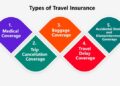
There are several types of travel insurance options available to cater to different needs and preferences of travelers. Here are some common types:
- Trip Cancellation Insurance: Provides coverage for trip cancellation due to unforeseen events such as illness, natural disasters, or other emergencies.
- Medical Insurance: Offers coverage for medical expenses incurred during a trip, including hospital stays, doctor visits, and emergency medical evacuations.
- Baggage Insurance: Protects against loss, theft, or damage to luggage and personal belongings during travel.
- Flight Insurance: Provides coverage for flight-related incidents such as flight delays, cancellations, or missed connections.
- Travel Assistance Services: Offers 24/7 assistance for emergencies, including medical referrals, legal assistance, and travel arrangements.
Benefits of Having Travel Insurance
Having travel insurance during trips can offer a range of benefits, including:
- Financial Protection: Helps cover unexpected expenses such as medical bills, trip cancellations, or lost baggage.
- Peace of Mind: Provides reassurance and peace of mind knowing that you are protected in case of emergencies.
- Emergency Assistance: Offers access to emergency assistance services, including medical referrals and travel arrangements.
- Coverage for Various Risks: Protects against a wide range of risks such as illness, accidents, natural disasters, or travel disruptions.
Types of Coverage
Travel insurance offers a variety of coverage options to protect you during your trip. Let’s explore some common types of coverage and scenarios where they would be beneficial.
Trip Cancellation
Trip cancellation coverage can help reimburse you for prepaid and non-refundable trip expenses if you have to cancel your trip due to unforeseen circumstances such as illness, injury, or natural disasters. For example, if you have to cancel your trip because you fall ill right before departure, trip cancellation coverage can help cover the costs of your flights and accommodations.
Medical Emergencies
Medical emergencies coverage provides financial protection in case you require medical treatment while traveling. This can include coverage for hospital stays, emergency medical evacuation, and repatriation. For instance, if you get sick or injured abroad and need to be transported to a medical facility, medical emergencies coverage can help cover the expenses.
Lost Luggage
Lost luggage coverage reimburses you for the value of your belongings if your luggage is lost, stolen, or damaged during your trip. In a scenario where your luggage goes missing during a layover and your essential items are inside, lost luggage coverage can help you replace your belongings.
Compare Coverage Limits and Exclusions
When choosing a travel insurance plan, it’s essential to compare the coverage limits and exclusions of different plans. Some plans may have higher coverage limits for medical emergencies or offer additional benefits such as coverage for adventure activities. Be sure to review the exclusions to understand what situations are not covered by the insurance plan.
Factors to Consider
When choosing a travel insurance plan, there are several important factors to take into account to ensure you have the right coverage for your trip. Consider factors such as your destination, the duration of your trip, the activities you have planned, and your personal health.
Pre-Existing Conditions
Pre-existing conditions can have a significant impact on your travel insurance options. It’s crucial to disclose any pre-existing conditions when purchasing a travel insurance policy to ensure that you are adequately covered. Some insurance providers may offer coverage for pre-existing conditions, while others may exclude them from coverage.
Reading the Fine Print
Reading the fine print of a travel insurance policy is essential to fully understand the coverage you are purchasing. Pay close attention to exclusions, limitations, and conditions of the policy to avoid any surprises or misunderstandings in the event of a claim.
Make sure you are aware of what is covered and what is not covered by your travel insurance policy before embarking on your trip.
How to Purchase Travel Insurance
When it comes to purchasing travel insurance, there are several options available. Whether through airlines, travel agencies, credit cards, or online providers, it’s essential to compare different plans to find the best fit for your individual needs. Additionally, understanding the process of filing a claim and the documentation required can help ensure a smooth experience in case of emergencies.
Ways to Purchase Travel Insurance
- Through Airlines: Many airlines offer travel insurance options at the time of booking your flight. These plans may include coverage for trip cancellations, delays, or lost luggage.
- Travel Agencies: Travel agencies often provide travel insurance as part of their packages or as an add-on service. They can help you navigate through different plan options based on your travel itinerary.
- Credit Cards: Some credit cards offer travel insurance as a perk for cardholders. Be sure to check the coverage limits and conditions before relying solely on credit card insurance.
- Online Providers: There are numerous online platforms that specialize in offering travel insurance. These providers allow you to compare multiple plans side by side and choose the one that suits your needs best.
Comparing Travel Insurance Options
- Consider Your Travel Needs: Before comparing plans, assess your travel needs such as destination, duration, and activities to determine the coverage required.
- Coverage Types: Look into the different types of coverage offered, including medical expenses, trip cancellation, baggage loss, and emergency evacuation.
- Cost vs. Benefits: Compare the cost of the plan with the benefits provided to ensure you are getting the most value for your money.
- Reviews and Ratings: Check reviews and ratings of the insurance provider to gauge customer satisfaction and claim processing efficiency.
Filing a Claim and Documentation
- Notify the Insurance Provider: In case of an emergency during your trip, contact your insurance provider as soon as possible to initiate the claims process.
- Documentation Required: Keep all relevant documents such as medical reports, police reports (in case of theft), receipts, and proof of travel to support your claim.
- Claim Process: Follow the instructions provided by the insurance provider to submit your claim accurately and efficiently. Be prepared to provide additional information if required.
Final Conclusion
As we reach the end of our discussion on travel insurance options, it becomes evident that being prepared for the unexpected is key to enjoying worry-free travels. With the right plan in place, you can explore the world with confidence and peace of mind.
FAQs
What does travel insurance cover?
Travel insurance typically covers trip cancellations, medical emergencies, lost luggage, and other unforeseen events during your travels.
How do pre-existing conditions impact travel insurance options?
Pre-existing conditions may affect the coverage available or premiums for travel insurance plans. It’s essential to disclose any pre-existing conditions when purchasing a policy.
Where can I purchase travel insurance?
Travel insurance can be purchased through airlines, travel agencies, credit cards, or online providers. Compare options to find the best plan for your specific needs.